What happens at a “Bring Your Own Data” workshop?
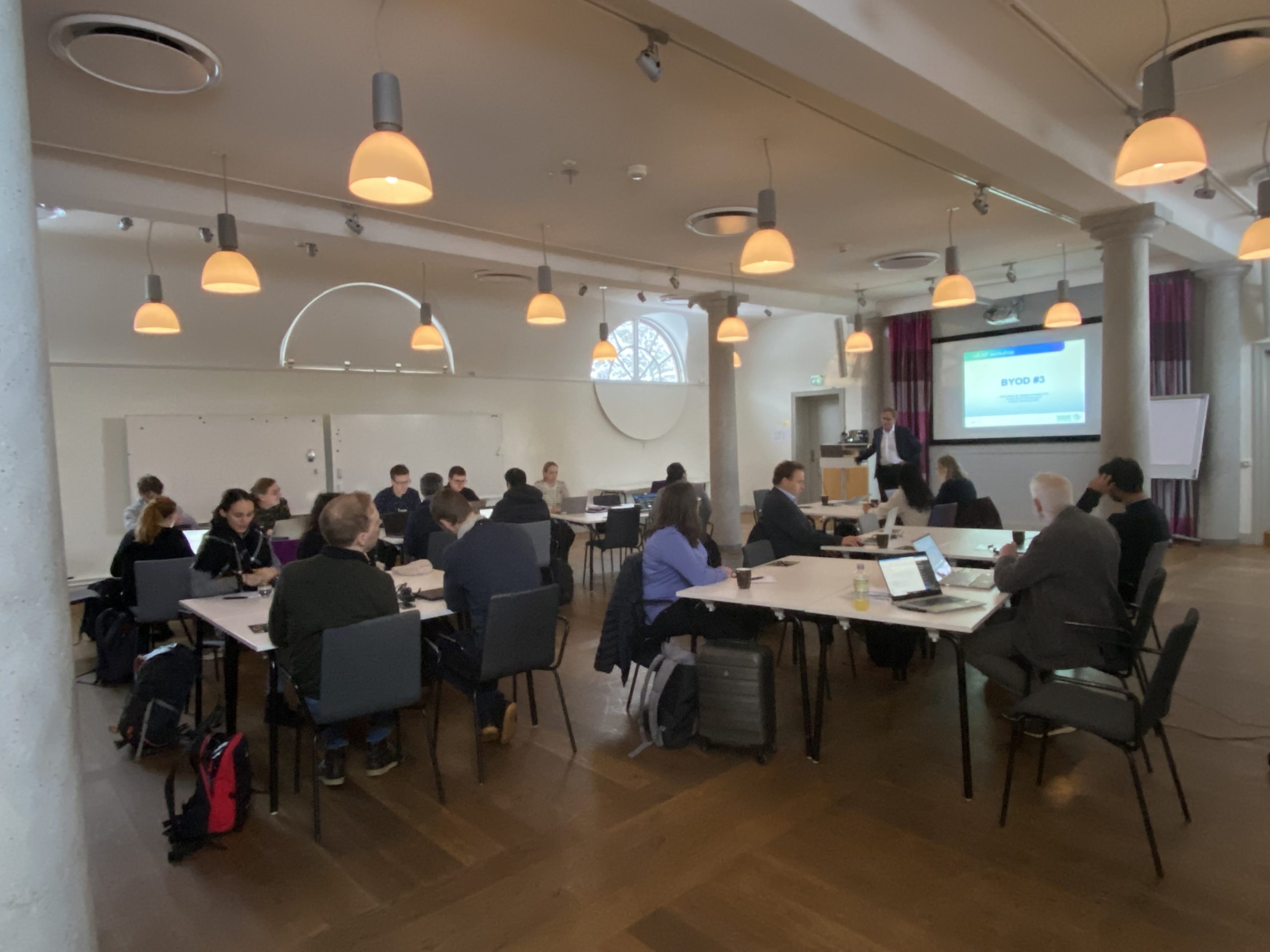
Bring Your Own Data (BYOD) workshops are an essential element of the HEAP project. Typically lasting between two and four days, the BYOD brings together project members from different disciplines, enabling them to work in a “hands on” environment. BYOD workshops are inspired by the “Bring Your Own Device” movement and involve: Attendees bringing “real […]
Introducing FAIR frog and Data Gator!
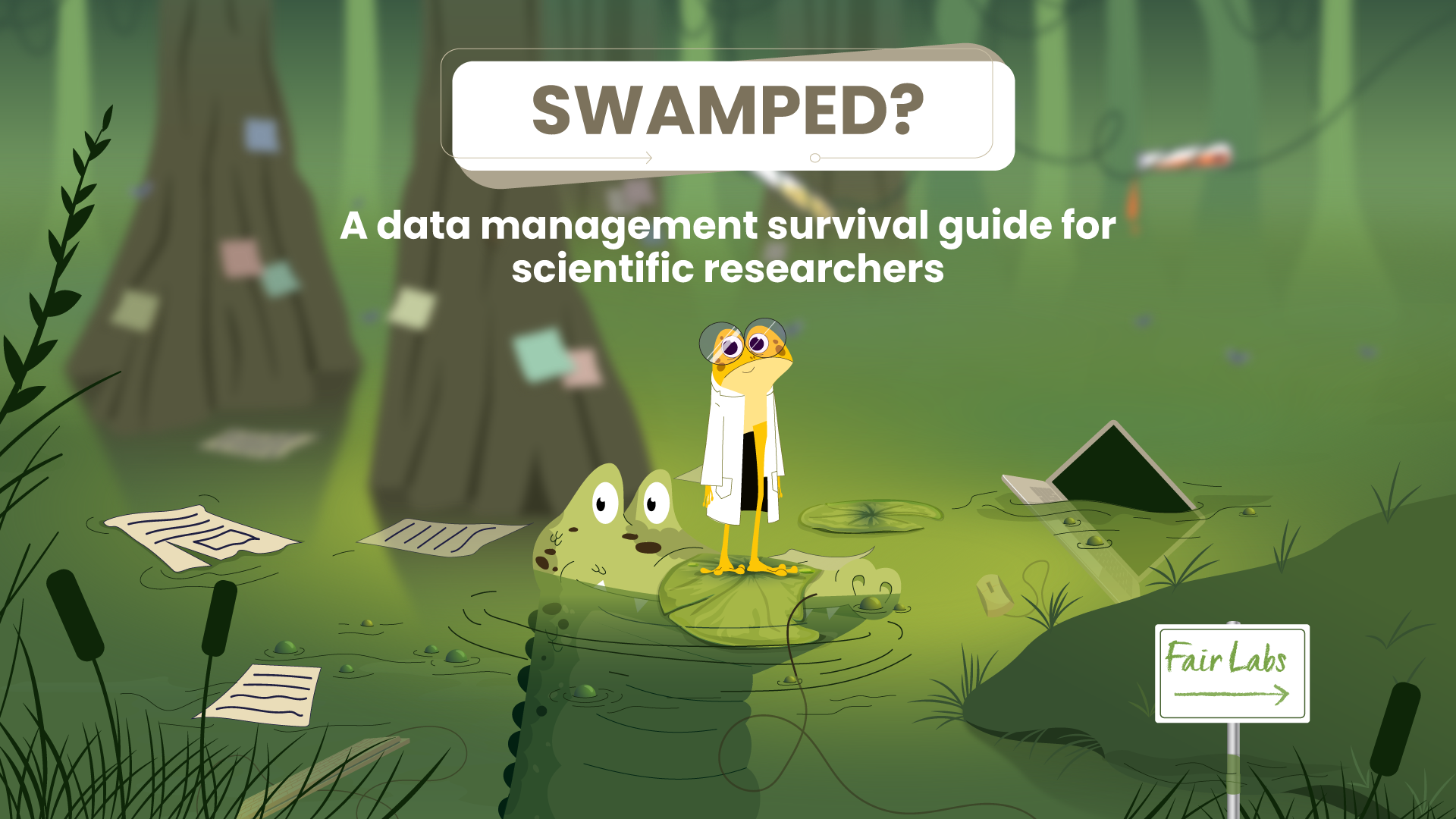
Meet the newest members of the HEAP project team! FAIR frog and Data Gator are scientific researchers from two very different institutions – Swamp Institute, and FAIR Labs. Join them as they escape from the Swamp, and find out from HEAP project manager Roxana how important FAIR data principles are to successful research collaborations. Through […]
HEAP symposium – DNA markers, ageing and lifestyle

How does age, and lifestyle factors such as drugs, hormones, smoking, and nutrition, affect our DNA? In his contribution to the HEAP symposium highlights series, Martin Widschwendter, Director of the European Translational Oncology Prevention and Screening (EUTOPS) Institute, University of Innsbruck, Austria, presents his research into DNA markers that are changed by both genetic and […]
HEAP symposium – Personal exposome profiling
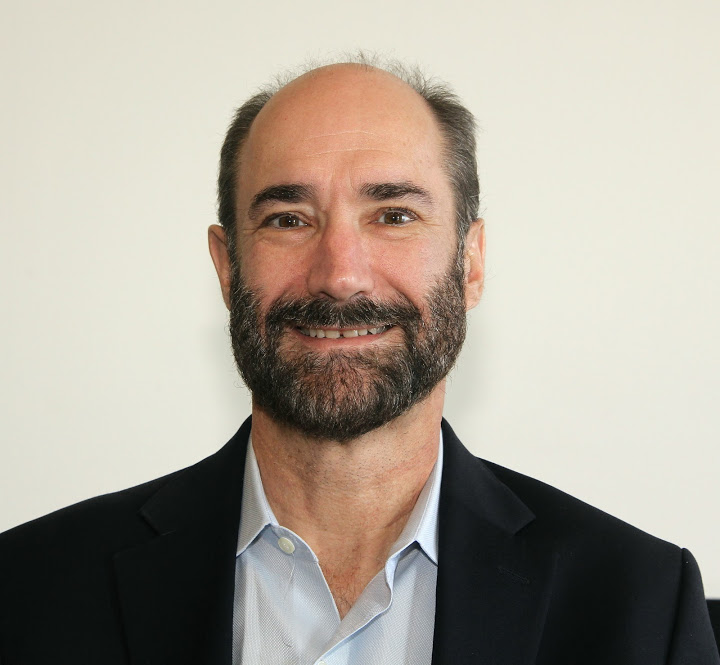
Can we prove that someone has been exposed to certain chemicals that have affected their health? In his contribution to the HEAP symposium highlights series, Michael Snyder, Director of the Center for Genomics and Personalized Medicine at Stanford University, presents his research into individualized environmental exposures. The research compared thousands of chemical and biological components […]
HEAP symposium – Ethics, law and big data
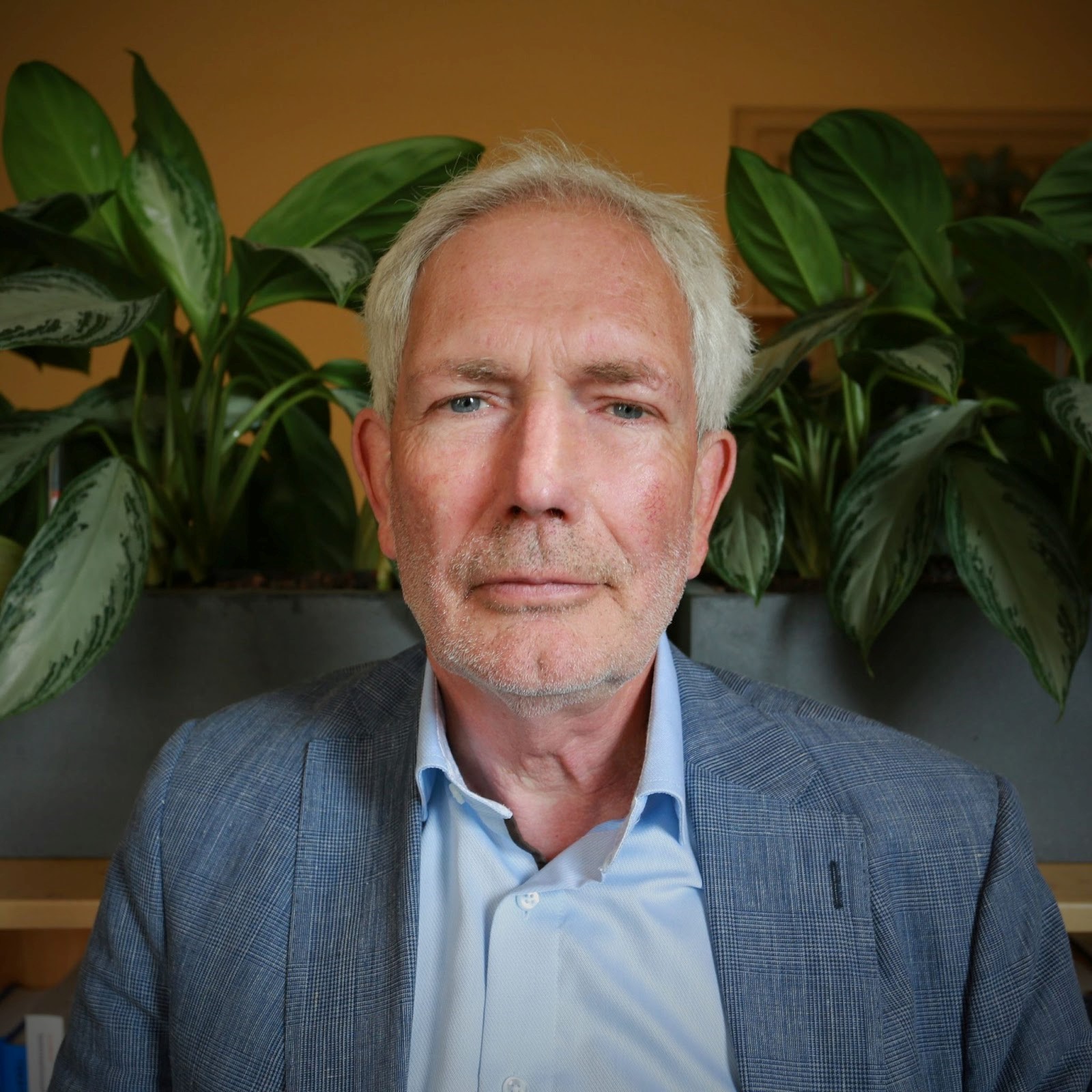
How can the results of exposome research further the right to health for all? And how can this be achieved in an ethical way, respecting the rights of those whose data and tissue are being used? In his contribution to the HEAP symposium highlights series, Evert-Ben Van Veen, a lawyer specialising in health and privacy […]
HEAP symposium – The exposome and cancer research
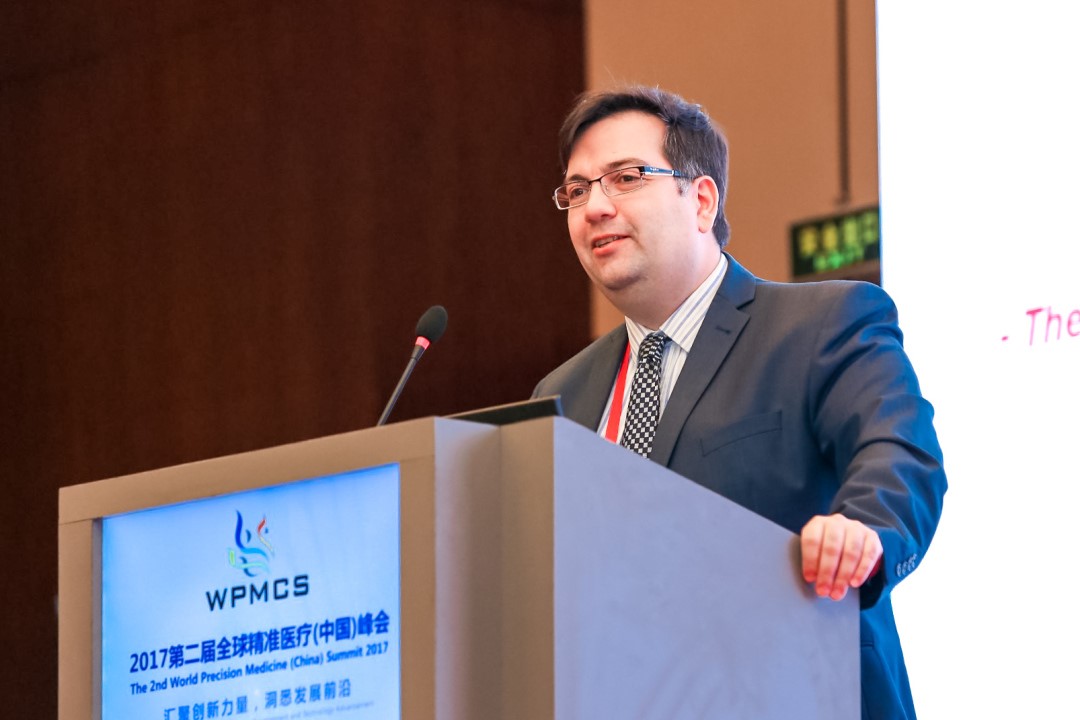
Dr. Zisis Kozlakidis is the Head of Laboratory Services and Biobanking at the International Agency for Research on Cancer (IARC/WHO). He has significant expertise in the field of biobanking, and has served as President of ISBER. In his contribution to the HEAP Symposium highlights series, he traces the history of the exposome concept and its […]
HEAP symposium – “Measuring the exposome – delusion or next frontier?”

Is it even possible to measure the exposome? In his contribution to the HEAP Symposium highlights series, Benedikt Warth, Associate Professor at the University of Vienna and founder of the ‘Global Exposomics and Biomonitoring Laboratory’, presents workflows for omic-scale investigations of toxicants. The example he presents is based on liquid chromatography coupled with mass spectrometry (LC-MS), and […]
HEAP symposium – the promise of informatics and precision medicine

The next frontier of exposome research will focus on genomics, transcriptomics, proteomics, and metabolomics, and seek to identify optimal treatments for individual patients. In the next instalment of the HEAP Symposium highlights series, HEAP project coordinator Professor Joakim Dillner explores the potential of informatics to make Precision Medicine a reality. He then outlines the six […]
HEAP symposium – “Biobanking and the exposome”
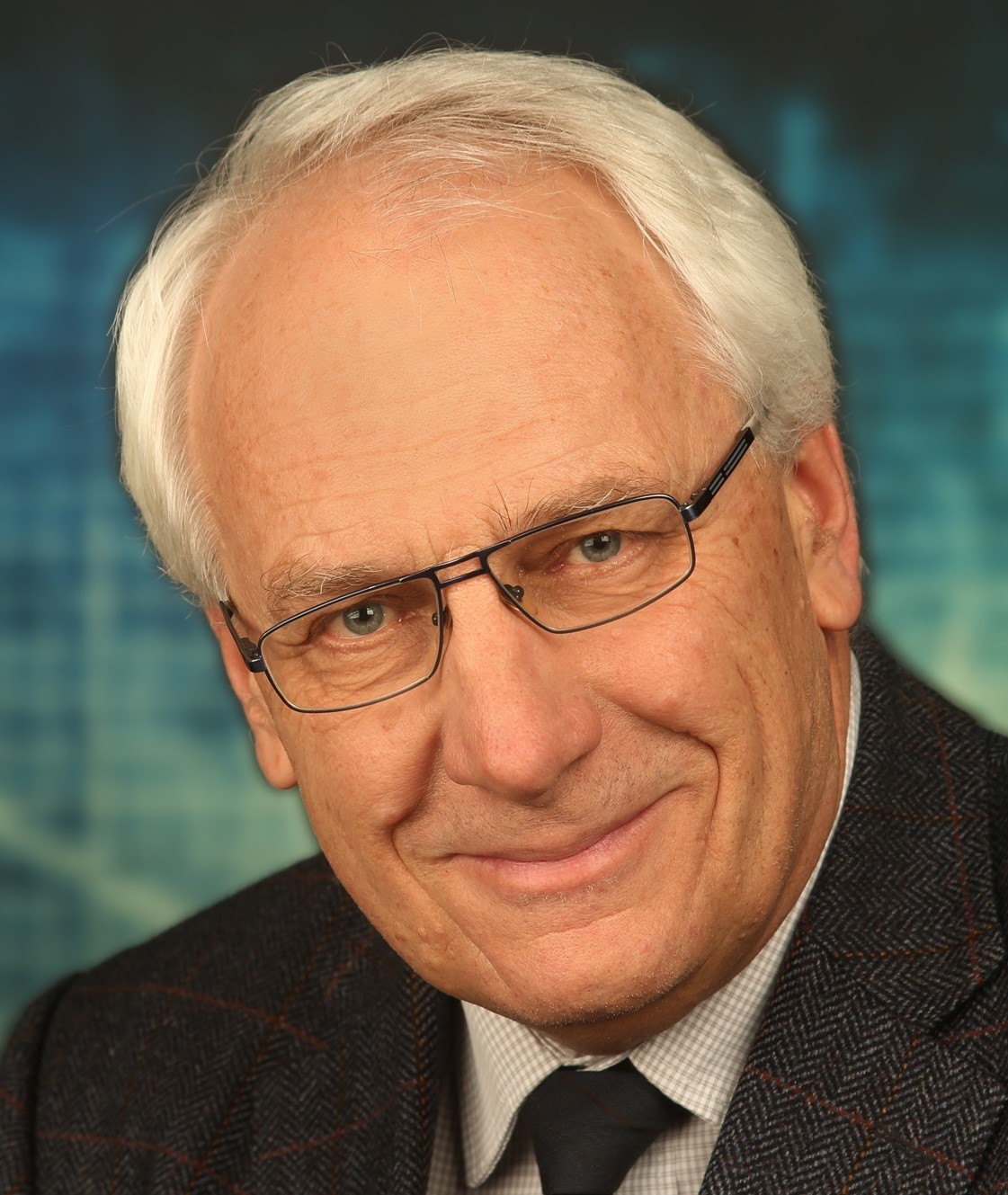
As part of HEAP\’s \”Symposium Highlights\” series, Kurt Zatloukal, Head of the Diagnostic and Research Center for Molecular BioMedicine, Medical University Graz, and Director of BBMRI.at, Austria, discusses how biobanks could add value to exposome research in a 15-minute presentation. Biobanks have expertise in collecting, preserving and providing access to biosamples, as well as processing […]
Presenting the HEAP “Symposium Highlights” series
HEAP “Symposium Highlights” showcases the presentations from the “Frontiers in Human Exposome Research” symposium, hosted by BBMRI.at and the Medical University of Graz in June 2022. The Symposium provides a snapshot of the latest exposome research on epigenomics, microbiomics, metabolomics, and the key legal and ethical issues facing researchers. FAIR data, and a preview of […]