The fourth HEAP Bring Your Own Data workshop
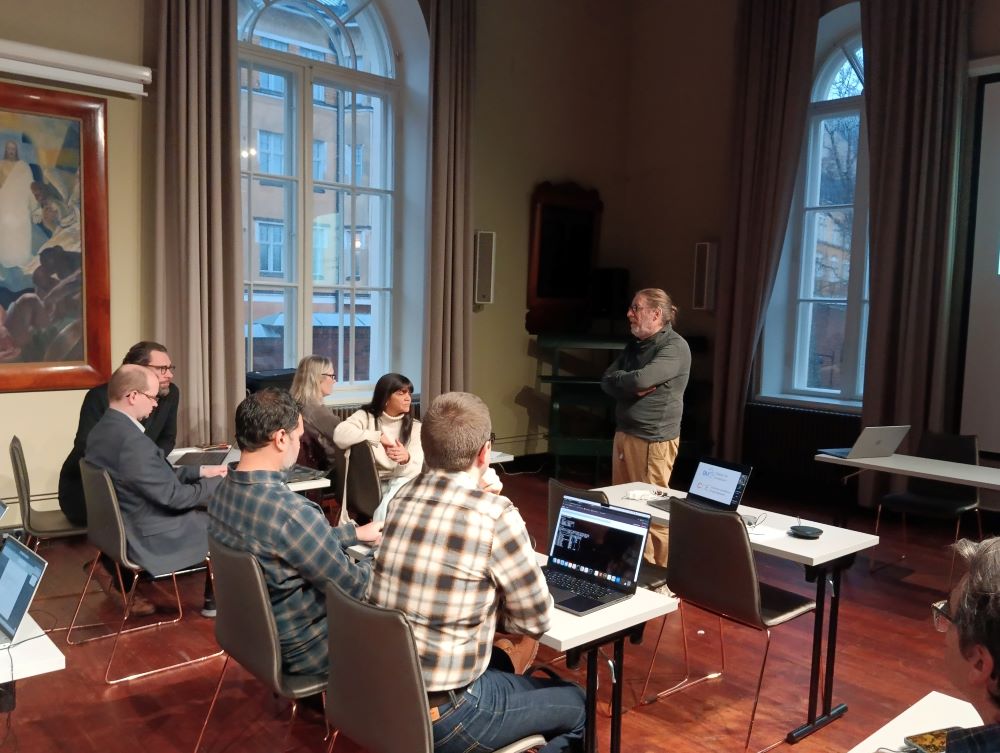
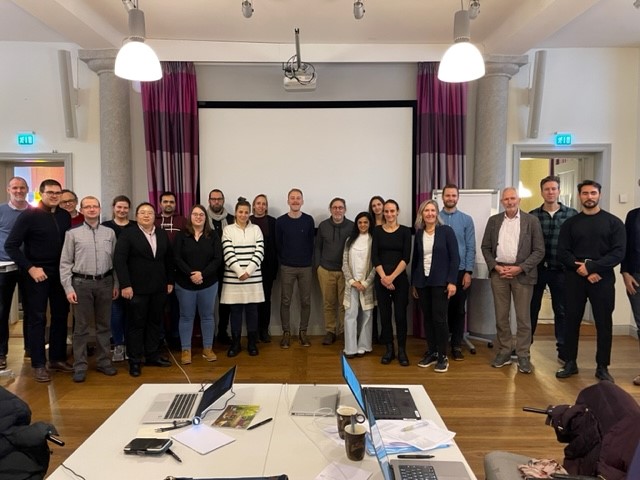
The fourth HEAP Bring Your Own Data (BYOD#4) workshop, held in Helsinki from 20th to 22nd November 2024, enabled hands-on collaboration between HEAP exposome researchers, software developers, IT infrastructure specialists and legal experts to test and demonstrate the HEAP platform in practical exposome research. During the workshop, researchers uploaded and analysed datasets from the Swedish […]
The latest publications from the HEAP project
The first half of 2023 has seen HEAP publications on a wide range of topics, including Artificial Intelligence (AI), tools to help researchers ensure their data is FAIR, some surprising insights into epigenetic changes caused by the HPV virus in cervical cancer patients, and an original approach to understanding how to communicate the exposome concept, […]
Bring Your Own Data – the story so far
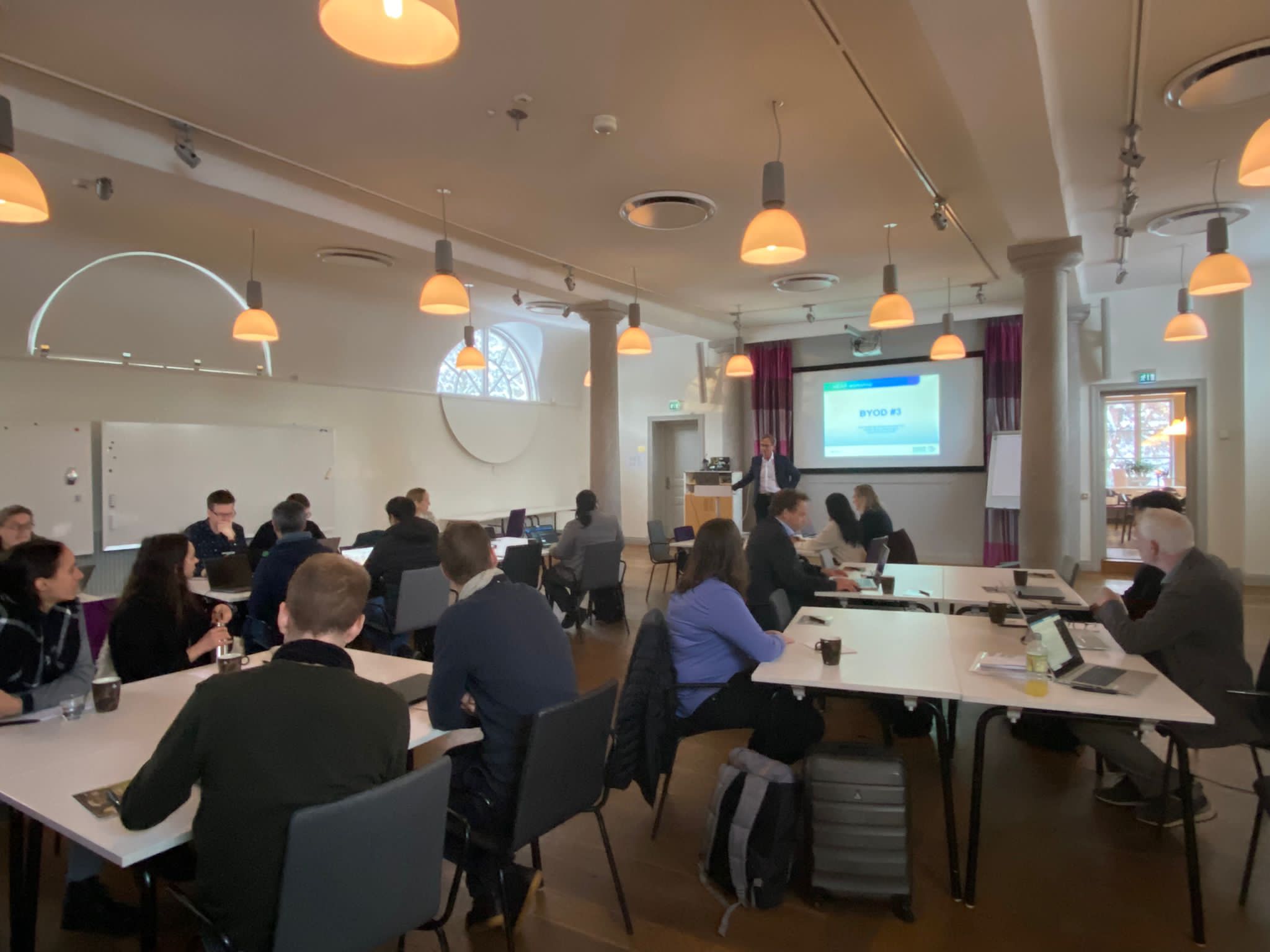
News from BYOD#3 Bring Your Own Data (BYOD) workshops are the engine of the HEAP project, and are essential to its mission to develop a secure and scalable informatics platform to analyse large scientific datasets. The BYOD#3, held in Stockholm in November 2022, provided a collaborative working space for researchers to test a range of […]
FInal episode of “Swamped?” – The Time Machine….
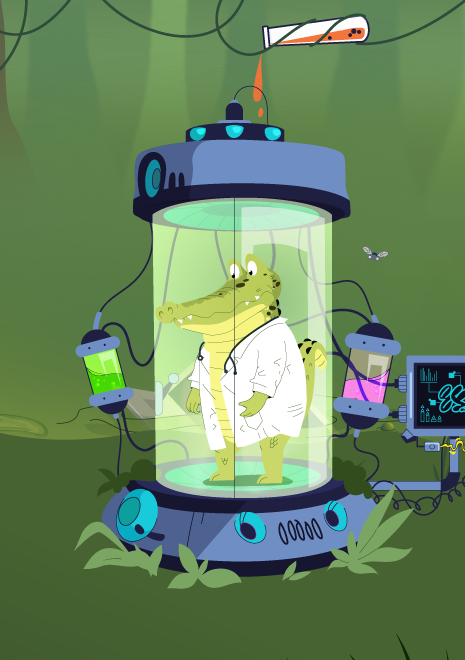
Faced with an algorithm that can’t be commercialised, and patient data that can’t be reused for a new study because the consent forms were badly designed, Data Gator resorts to desperate measures… Meanwhile, FAIR frog completes their Data Management Survival Guide with the help of legal expert Evert-Ben Van Veen, and gets some more practical […]
A database dilemma… Episode 4 of “Swamped?”
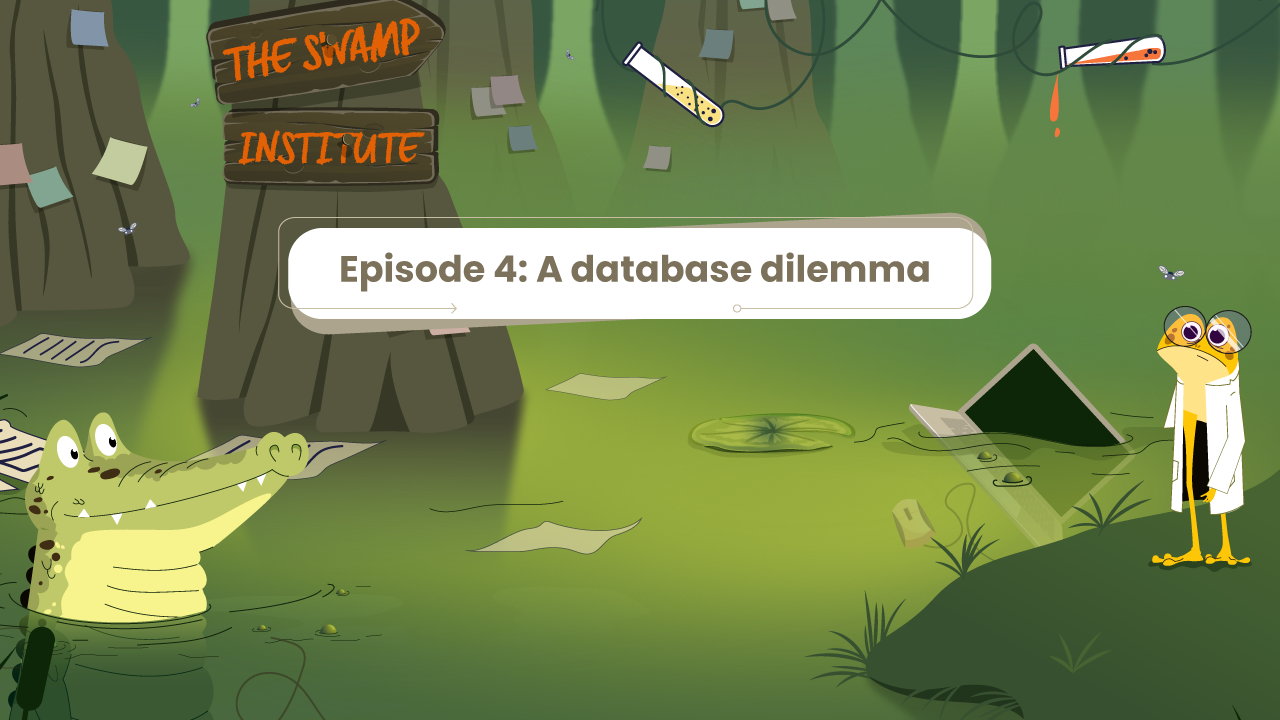
Our heroes embark on a new research project, and Data Gator is on the brink of a ground-breaking discovery! But is it all too good to be true? Enter our HEAP researcher Chiara, who shares tips on managing her scientific data and introduces Gator to standardised case report forms, metadata catalogues and unique researcher identifiers. […]
What’s on the agenda of BYOD#3?
What’s on the agenda of the HEAP BYOD#3? To prepare for the workshop, attendees have uploaded data and analysis pipelines to the Hopsworks informatics platform. The data sources are: Cervical Cancer Screening Cohort (Karolinska Institute) Finnish Maternity Cohort (University of Oulu) HPV Vaccination Cohort (Tampere University Hospital) Consumer cohort (Statens Serum Institute) Wearable Data Collection […]
What happens at a “Bring Your Own Data” workshop?
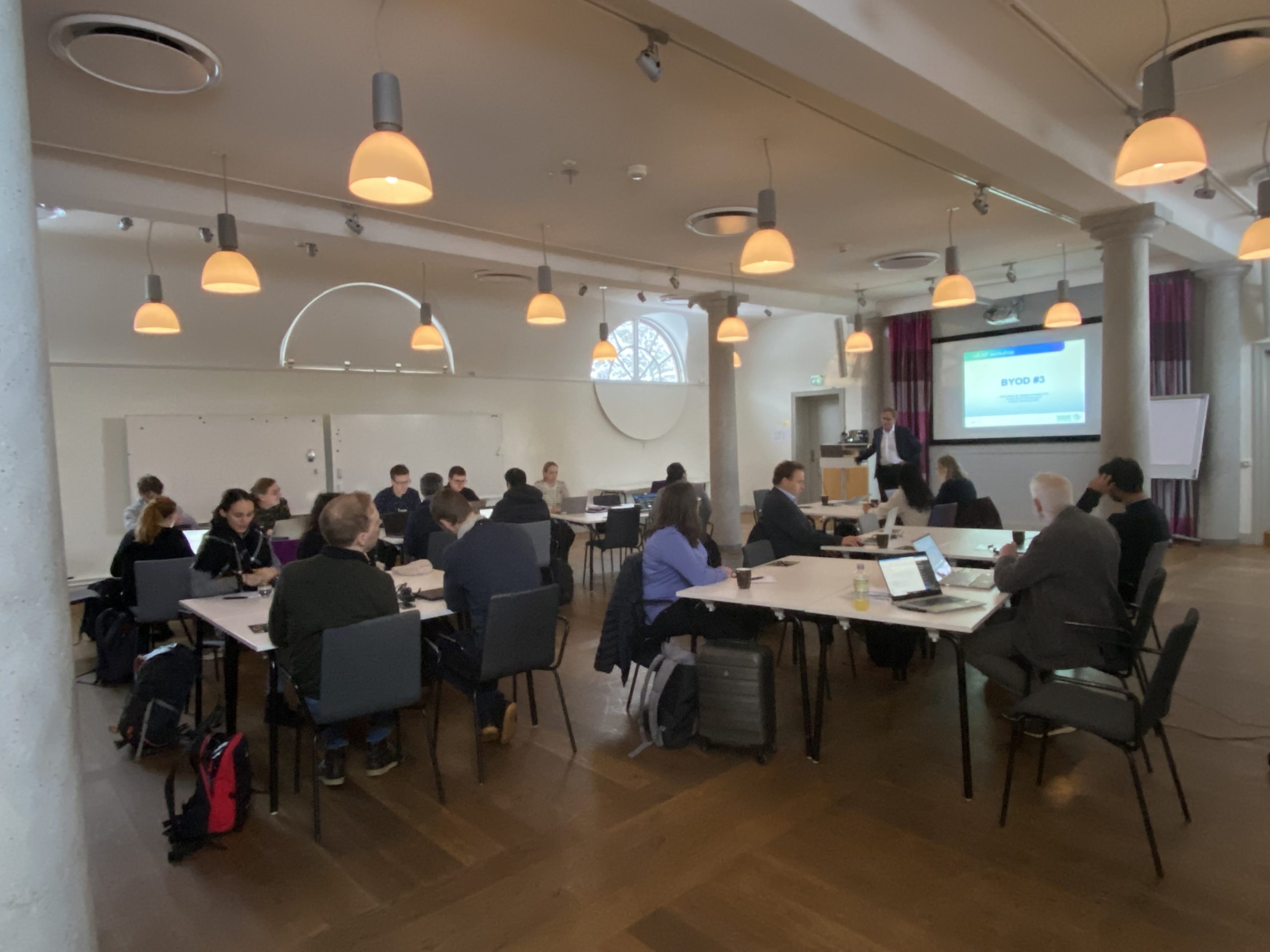
Bring Your Own Data (BYOD) workshops are an essential element of the HEAP project. Typically lasting between two and four days, the BYOD brings together project members from different disciplines, enabling them to work in a “hands on” environment. BYOD workshops are inspired by the “Bring Your Own Device” movement and involve: Attendees bringing “real […]
Episode 3 of “Swamped?” Making data accessible
Data Gator launches a search for his missing sediment samples in the latest instalment of Swamped? But the samples are nowhere to found, Gator’s research into swamp ecosystems is doomed, and it’s all metadata’s fault for being boring and confusing… FAIR frog decides to ask Ville, a HEAP researcher, how he uses metadata to keep […]
Episode 2 of “Swamped? A data management survival guide for researchers.”
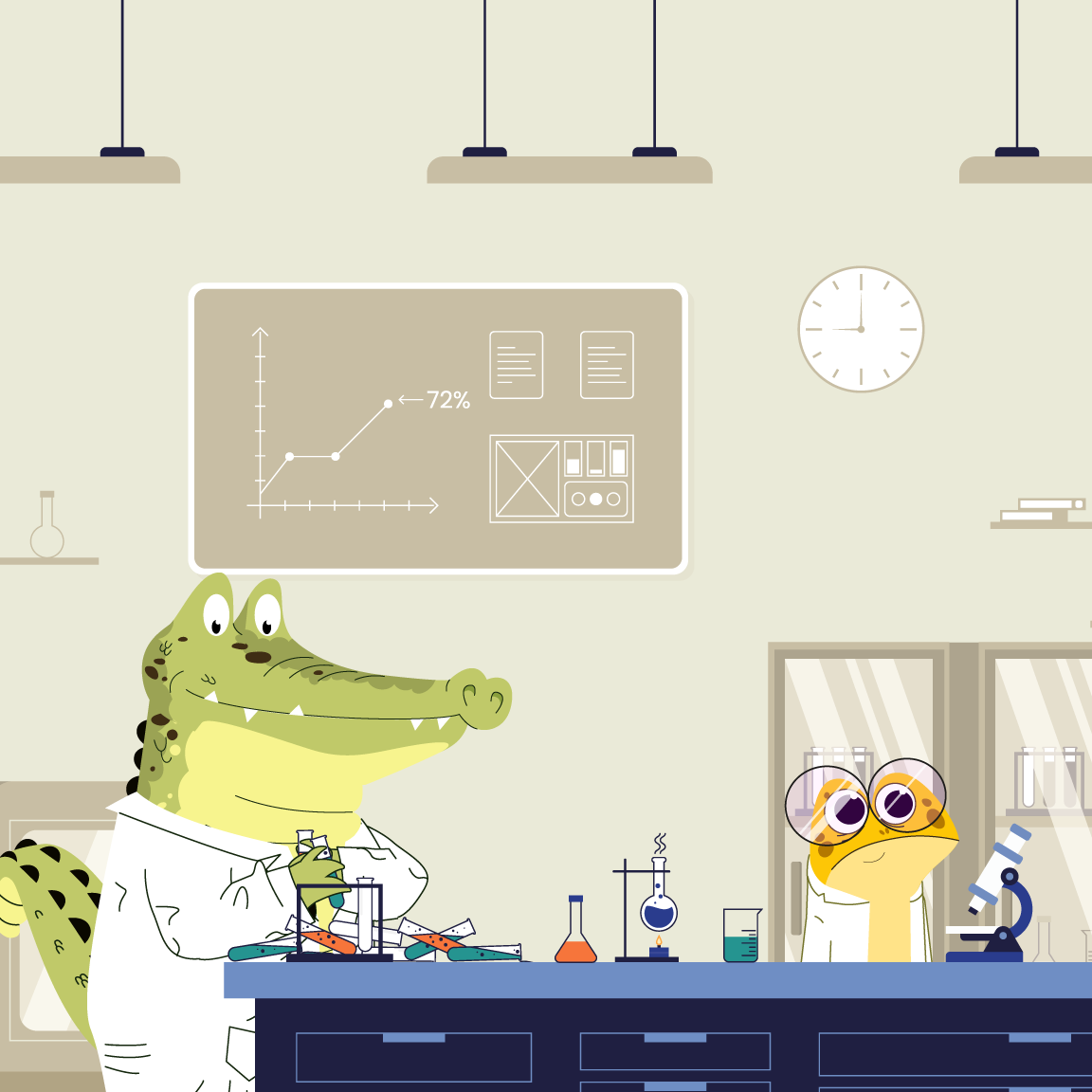
Join FAIR frog and Data Gator in this 5-minute video as they reach the end of their first joint research project and submit their paper for publication. But there\’s a problem…. Data Gator has escaped from the swamp, but it looks like he forgot to bring his metadata with him…. As Data Gator and FAIR […]
Introducing FAIR frog and Data Gator!
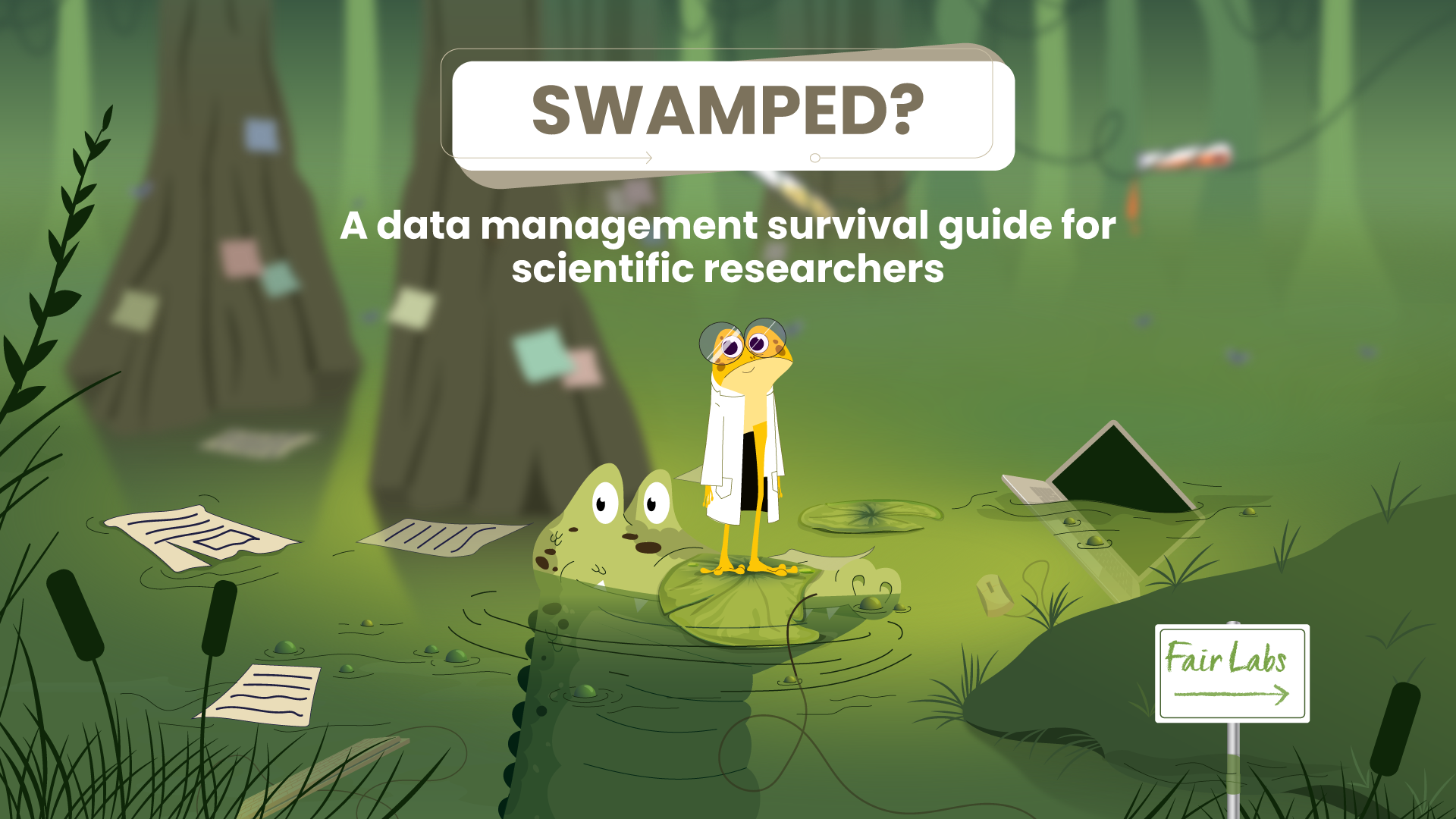
Meet the newest members of the HEAP project team! FAIR frog and Data Gator are scientific researchers from two very different institutions – Swamp Institute, and FAIR Labs. Join them as they escape from the Swamp, and find out from HEAP project manager Roxana how important FAIR data principles are to successful research collaborations. Through […]